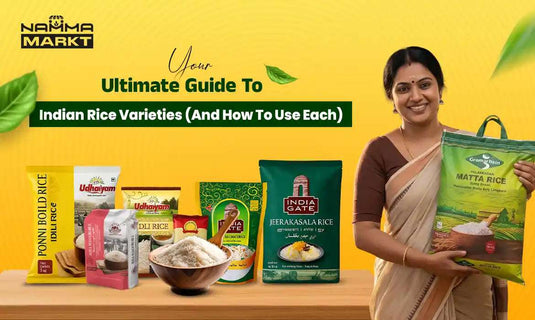
Rice is more than just a grain in Indian kitchens. It is comfort, tradition, and the foundation of countless regional dishes that define the country’s diverse food culture. Whether you grew up with aromatic biryanis in the North or fluffy Idly rice in the South, the type of rice you use can completely transform a meal.
For many living in Europe, choosing the right Indian rice can feel confusing because every variety looks different, smells different, and cooks differently. But once you understand each type and its purpose, Indian cooking becomes much more enjoyable and intuitive.
This guide walks you through the most loved Indian rice varieties, how they differ, and the perfect dishes to cook with each one.
1. Basmati Rice
Basmati is often called the king of Indian rice for a reason. Long, slender grains, a natural fragrance, and a delicate texture make it one of the most famous rice varieties in the world. When cooked correctly, each grain remains separate and fluffy, which is exactly why it is the preferred rice for festive and special dishes.Best for:
- Biryani
- Pulao
- Jeera rice
- North Indian curries
- Fried rice
- Kheer
Why people love it:
Basmati rice has a beautiful aroma, a light texture, and a satisfying mouthfeel. It can elevate even a simple dish like lemon rice or curd rice, making it feel more refined.
Sona Masoori Rice
Sona Masoori is widely enjoyed for its lightweight texture and mild flavour. It cooks quickly and pairs beautifully with everyday meals, which makes it a staple in South Indian households.
Best for:
- Daily meals
- Sambhar and rasam rice
- Curd rice
- South Indian lunch plates
- Simple pulao
Why people love it:
Sona Masoori rice is easy to digest and incredibly versatile. It is perfect for Indian families who prefer soft, non-sticky rice without overwhelming fragrance.
Ponni Rice
Ponni is another much loved South Indian rice variety. It is known for its medium grain size, polished texture, and ability to hold shape after cooking. It is especially popular in Tamil Nadu and often used in tiffin style meals.
Best for:
- Sambhar rice
- Mixed rice varieties
- Curd rice
- Everyday meals
- Tiffin box friendly dishes
Why people love it:
Ponni rice absorbs flavours beautifully, making it ideal for traditional South Indian dishes where the rice must blend harmoniously with spices and tamarind based gravies.
Idly Rice
Idly rice is specially processed to give the perfect texture for steaming soft idlis and creating airy dosas. The grains are short and starchy, allowing the batter to ferment well and rise effortlessly.
Best for:
- Idlis
- Dosas
- Uthappam
- Paniyaram
- Soft South Indian tiffins
Why people love it:
The right rice makes all the difference in idli and dosa batter. Idly rice ensures the perfect fluffiness, softness, and slight tang that makes these breakfast favourites irresistible.
Matta Rice
Matta rice, often called Kerala red rice, has a reddish brown hue and a slightly nutty flavour. It is incredibly wholesome and satisfying, and is a common feature in Kerala meals.
Best for:
- Kerala meals
- Fish curry rice
- Coconut based curries
- Vegetarian thali
- Onam Sadya
Why people love it:
Matta rice has a robust texture that pairs beautifully with rich, spicy curries. It is a staple in Kerala celebrations and is known for its earthy, hearty taste.
Jeerakasala Rice
Jeerakasala is a small grain rice variety from Kerala, famous for its use in traditional Kerala biryani. It is shorter than basmati but extremely aromatic and flavour rich.
Best for:
- Kerala biryani
- Ghee rice
- Coconut milk rice
- Special celebrations
Why people love it:
Jeerakasala delivers unmatched aroma in biryani and complements Kerala style dishes beautifully due to its fragrance and slightly sticky texture.
Broken Rice (Hand Pounded Varieties)
Broken rice is a by-product of rice milling, where whole grains naturally break into smaller pieces. It cooks faster and absorbs flavours easily, making it a favourite for comfort foods.
Best for:
- Kanji
- Pongal
- Upma style rice dishes
- Budget friendly daily meals
Why people love it:
Broken rice cooks into a soft, creamy texture which is perfect for hearty and comforting meals. It is affordable and ideal for large families.
Raw Rice vs Parboiled Rice
Indian cooking often uses both raw and parboiled rice depending on the recipe.
Raw rice is perfect for:
- Pulao
- Biryani
- Fried rice
- Fluffy everyday meals
Parboiled rice is used for:
- Idli and dosa batter
- Sambhar rice
- Mixed rice varieties
- Soft, easily digestible meals
Why each matters:
Raw rice gives a delicate texture while parboiled rice cooks softer and absorbs more liquid. Understanding this helps you choose the right rice for the right dish.
Choosing the Right Rice: A Quick Guide
| Dish | Best Rice Type |
|---|---|
| Biryani | Basmati or Jeerakasala |
| Sambhar rice | Sona Masoori or Ponni |
| Idli and dosa | Idly rice |
| Kerala meals | Matta rice |
| Festival dishes | Basmati or Jeerakasala |
| Comfort food | Broken rice |
Final Thoughts
Indian rice varieties each bring their own personality to the table. Some are fragrant and festive, some are soft and nourishing, and some are perfect for traditional meals passed down through generations. When you understand the unique qualities of each type, you can recreate Indian dishes exactly the way they were meant to be enjoyed.
Whether you are cooking a warm bowl of pongal on a winter morning or preparing biryani for guests, choosing the right rice becomes a simple, enjoyable part of the process.
Looking to stock up on authentic Indian rice in Germany?
Explore a wide selection of Indian rice varieties at Namma Markt, delivered fresh to your doorstep anywhere in Europe. Your favourite dishes deserve the perfect foundation.